Discover how a bonded warehouse can benefit our three different identified profiles and strengthen their global activities.
Share
In a fast-changing trade environment, resilience and adaptability are key, especially in South East Asia. A bonded warehouse helps businesses stay flexible, reduce risks, and optimise operations. But not every business uses it the same way. We identified three profiles that benefit most: global traders with multi-suppliers, European manufacturers exporting to China, and international suppliers managing local inventory. Let’s explore how a bonded warehouse in Vietnam strengthens their global activities.
What’s a bonded warehouse and why is it crucial ?
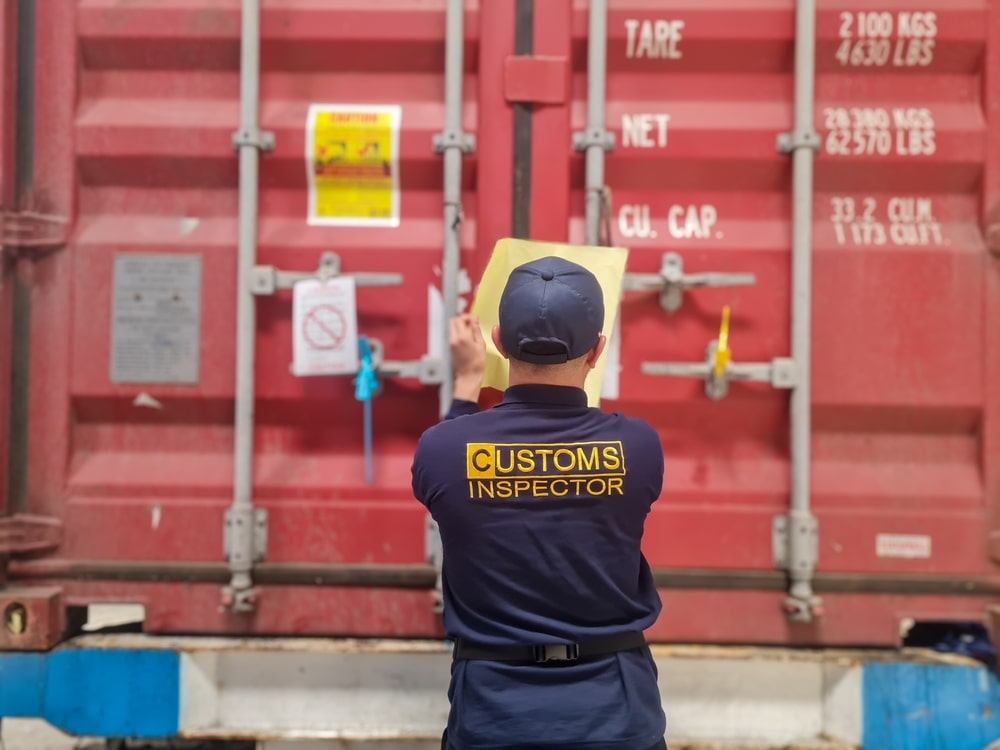
A bonded warehouse is a secure facility where imported goods are stored under customs control. Duties and taxes are suspended until the goods leave the warehouse and enter the local market. This system offers significant financial and operational advantages for businesses involved in international trade.
In an increasingly volatile global supply chain, resilience and adaptability are essential. According to Resilinc, supply chain disruptions increased by 38% year-on-year in 2024, forcing companies to rethink their logistics strategies. Businesses need flexible, cost-efficient solutions to keep goods flowing despite uncertainty.
Vietnamese Bonded Warehouses are a crucial part of this strategy. With Vietnam’s strategic location at the heart of Southeast Asia, businesses benefit from access to global markets while managing their inventory efficiently. Goods can be stored, sorted, packaged, or re-exported from a bonded warehouse without immediate tax obligations.
Vietnam’s bonded warehousing system is particularly attractive for companies pursuing supply chain diversification, especially under the growing “China + 1” trend. Facilities located near key trade corridors, such as Bac Ninh, offer rapid access to China’s manufacturing hubs and seamless connections to Haiphong Port, a gateway to global shipping routes.
Global Traders with Multi-Suppliers & Multi-Destinations
Managing global trade is more complex than ever. Companies source products from different regions and ship to multiple destinations. The risk of delays, high costs, and fragmented operations increases. Traders need a smarter, more resilient solution.
A Vietnamese bonded warehouse provides that flexibility. The country is emerging as a key logistics hub, offering advanced infrastructure and tax-efficient storage options.
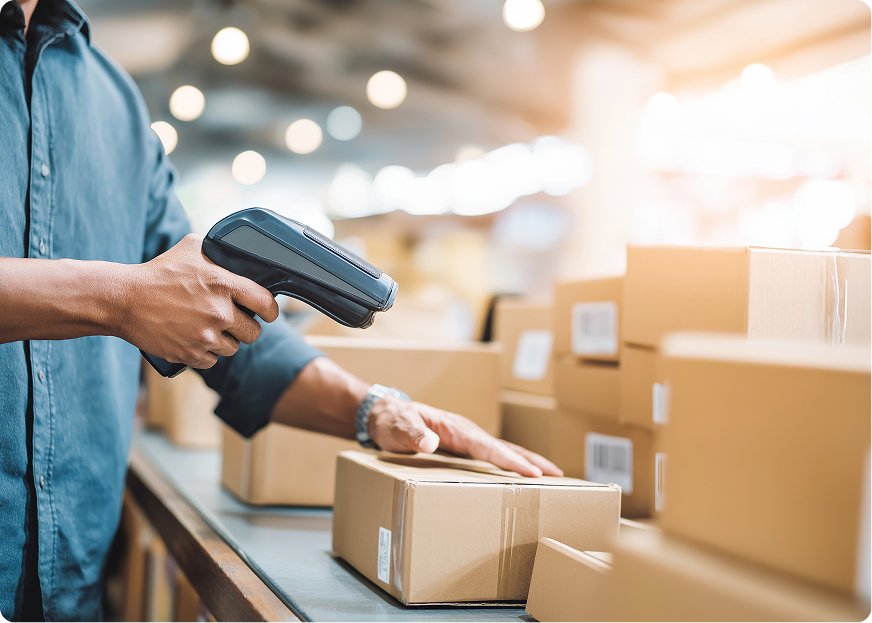
For global traders, this means they can consolidate goods from multiple suppliers in one bonded location. They defer taxes until goods enter the domestic market or are re-exported. That optimises cash flow and simplifies customs processes.
Facilities in regions like Bac Ninh, near China’s Southern Economic Corridor, or Ho Chi Minh City, offer direct connections to global trade routes. This supports “China +1” strategies, helping businesses diversify supply chains and reduce dependency on a single source.
A bonded warehouse also allows for sorting, labelling, and packaging on-site. No duties apply until final clearance. Traders can re-export directly, reduce logistics costs, and meet market demands faster.
The result?
Global traders unlock faster consolidation, greater control over multi-origin flows, and resilience in a fragmented trade environment.
European High-Value Manufacturers Serving China
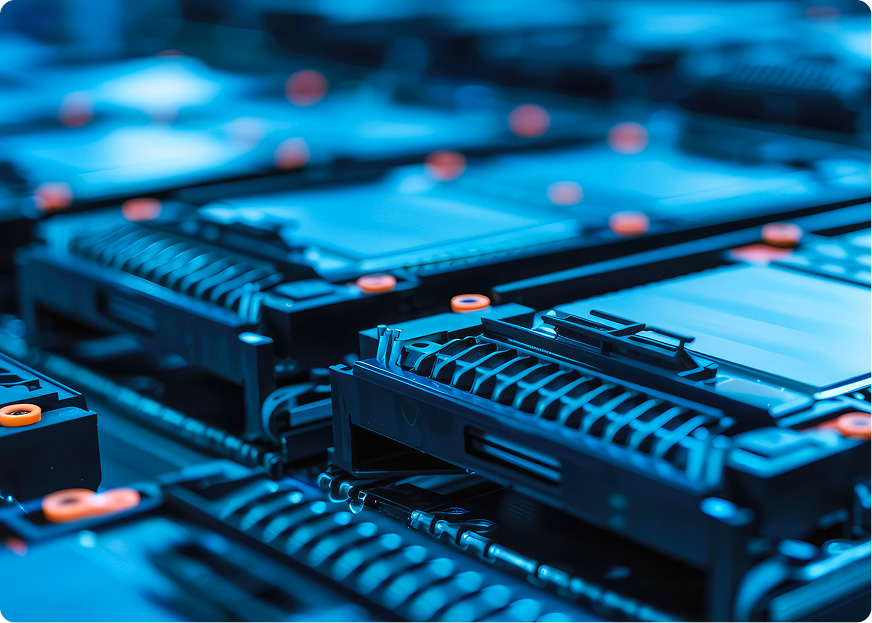
For European manufacturers, China is a strategic but demanding market. Products like machinery, automotive parts, and electronics require strict compliance, fast delivery, and seamless cross-border coordination. In 2023, China was the third-largest export market for the EU, accounting for €198 billion in EU exports.
But getting goods into China efficiently isn’t easy. Long transit times, shifting regulations, and unpredictable customs processes can strain performance and cost margins. For high-value products, every delay adds risk.
Vietnam offers a strategic alternative. Located just south of China, a bonded warehouse in Bac Ninh allows European manufacturers to stage inventory close to Chinese demand without immediate customs exposure. Goods can be imported into Vietnam, held in a bonded zone, and either re-exported to China when needed or redirected to other Asian markets. This enables faster fulfilment, more agile production schedules, and lower tax burden.
Through the EU-Vietnam Free Trade Agreement (EVFTA), European firms also enjoy reduced tariffs and streamlined trade procedures when operating in Vietnam, according to the European Commission. Combined with the bonded warehouse solution, this creates a dual advantage: improved access to China and smarter use of free trade benefits in Southeast Asia.
High-value products also require high-standard logistics. Vietnam’s bonded facilities support secure storage, precise inventory control, and value-added services like quality inspections, repacking, and technical labelling, all essential for manufacturers selling into China’s regulated markets.
The result?
European manufacturers gain shorter lead times, simplified compliance, and precise delivery into China’s demanding, high-value market.
International Suppliers with Local Inventory and Overseas Ownership
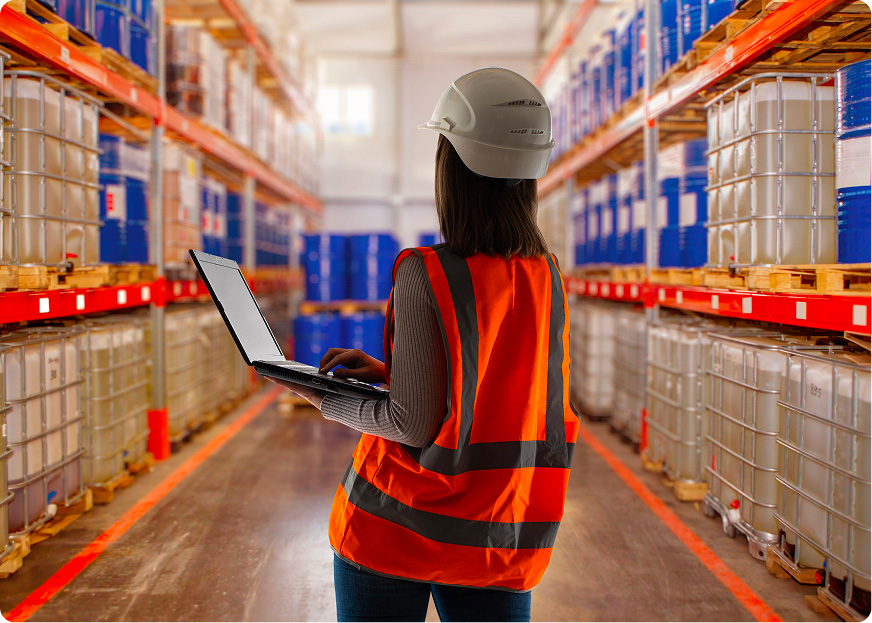
International suppliers expanding into Southeast Asia often face a double challenge. First, how to build a local presence without heavy upfront investment. Second, how to structure operations across borders efficiently. For these businesses, Vietnam’s bonded warehouse model offers a powerful, low-risk solution.
Vietnam’s logistics sector is growing fast. It is valued at US $52 billion in 2025. It is expected to reach US $71 billion by 2030, growing at a 6.7% CAGR. Despite this progress, logistics costs remain high. They still account for 18-20% of GDP, the highest in ASEAN. That equals about US $72-80 billion annually, according to Vietdata. A bonded warehouse helps lower these costs. They allow suppliers to store goods without paying duties until the moment of sale or re-export.
In practice, this means international suppliers can import products into Vietnam and hold them in a bonded zone. No duties are paid upfront. From there, they can transfer ownership to a local client, sell directly to B2B partners, or re-export to another country. This flexibility is ideal for testing new markets, distributing seasonal goods, or managing complex networks.
A bonded warehouse also supports ownership transfer between overseas entities. This lets suppliers operate across legal structures without added taxes or paperwork. Vietnam becomes a strategic base for regional expansion. Its key hubs, like Haiphong Port and Ho Chi Minh City, connect easily to major trade corridors.
Inside the bonded warehouse, suppliers can perform value-added services. These include inspection, sorting, relabelling, and repackaging. All operations remain fully customs-compliant. Businesses can adapt goods to market needs without relocating supply chains.
The result?
International suppliers achieve tax-efficient market entry, smoother cross-border ownership, and scalable growth across Southeast Asia.
The Bonded Warehouse Advantage
Vietnam’s bonded warehousing system combines strategic location, tax benefits, and seamless connectivity, making it a competitive edge for global businesses. This makes the bonded warehouse solution in Vietnam vital for companies managing complex, multi-market operations. Whether dealing with high volumes, high-value products, or unpredictable trade routes, it helps businesses stay competitive, resilient, and prepared for market shifts.
For a deeper look at the strategic value of bonded warehousing in global supply chains, read our full article.